I chose this program because of the amazing professors that conduct their work here. It really is a great and exciting department to be a part of. You get to work hand-in-hand with the leading scholars in the various fields of psychology. You really get the feeling that you are not merely a student, but a colleague and a friend.
I was attracted to the department's focus on interpersonal relationships as one of its core domains of study. The faculty members are very productive and committed to their research, but are also very accessible and supportive of graduate students.
I chose the University of Rochester because I was able to pursue my graduate studies in a very specific area of interest, and in a program that provides excellent research training and clinical opportunities.
I chose the University of Rochester because of the balance between a small student to faculty ratio at the department level and academic rigor and prestige at the university level. I was looking for a graduate school that could provide me with both the individual attention and mentoring I needed to be a successful student as well as the resources to be able to conduct the type of research that would make me a competitive candidate in academe. I found that perfect combination at UR.
I chose the University of Rochester because of the department's dedication to research. The focus of the department is to train you to engage in high-quality research that will have a significant effect on your field. I study motivation, and there are few other places that offer the same focus and enthusiasm for this topic.
I chose the University of Rochester primarily because I found a stellar match with my research advisor as far as interests. I could tell by talking to my advisor's other graduate students that I could expect the rich, challenging, and personalized mentorship experience that I was looking for. I also felt comfortable in the department. When I came to visit, I found students and professors alike to be happy, kind, and collaborative.
When I interviewed in the department, I really liked the warm, intimate environment. There wasn't any competition among the students. Everyone genuinely was interested and cared about their fellow colleagues' work and success in the program. Grad school can be stressful on its own, so I appreciated the non-hostile atmosphere. I also liked that it was a small department. I went to a small private undergraduate school, so I was used to and appreciated the one-on-one attention you're allowed to have with faculty. I wanted to be in a graduate program that offered a similar experience. Finally, I liked that there were well-established faculty within the department such as in areas of developmental psychopathology and moral development. The faculty all have current publications and grants, so I knew it would not be difficult to be productive and do research.
I chose the University of Rochester because of its strong relationships research and because of the emphasis on developing strong research skills.
My first reason for choosing the University of Rochester was because of the close match in research and clinical interests between me and my advisor. However, I also chose the U of R because of the strong value that they place on training their students to be proficient as both researchers and clinicians. Of many of the schools I looked at that designate themselves as research-practitioner training programs, the U of R seemed to hold most true to this assertion. Additionally, I liked how the students and professors are on a first name basis, which immediately gives a sense of partnership that really carries over into classroom discussions.
They have two very strong faculty members in developmental psychology, including one who did work in moral development, which originally attracted me here. I also liked the size of the department (not too big or too small) and Rochester's location on the East coast.
I chose the University of Rochester because I was interested in working with the relationships faculty.
I chose the University of Rochester because of my advisor and the opportunities available to students in her lab. The studies conducted by my advisor encompass a variety of issues related to my area of study, so my research interests and previous clinical experience coalesced with the work done by her lab. I'm continually amazed by her ability (and willingness) to learn so much about different fields of research and lengths to which she goes to help make her graduate students better. I was also excited to be mentored by a professor who sees and lives the link between research, clinical practice and teaching.
My decision to come to Rochester was a combination of the quality of the Developmental program in terms of faculty CV's and publications, the small size of the department which allows for one-on-one attention and training, the opportunity to begin working on a longitudinal research grant project in my first year, and the focus on adolescents and families. This was one of only four programs I applied to and the only one I seriously considered attending. There was simply no other program quite like it.
I chose the University of Rochester because I wanted to conduct research based on the principles of Self Determination Theory. Further, I was impressed by the reputation of the Social Psych Program here, which is recognized as one of the best in the country. I like that the department is fairly small, and that the theoretical approaches of the different faculty members complement one another.
I chose the University of Rochester for three reasons. First, I was completely impressed with the Mt. Hope Family Center and wanted to do my research there. Second, the school's reputation and commitment to research and practice is among the tops in the field. Third, Rochester is a manageable city on a graduate student's stipend.
We have a nice group of faculty members in the social-personality area. Also, there is the possibility of collaboration with multiple faculty members.
I primarily chose the University of Rochester to be able to work with my advisor. I knew that my research interests fit well with the work she does, and that she would be an excellent supervisor during my graduate school experience. I also knew that there were ample clinical research interests to support my training (e.g., close relationships between department faculty colleagues in the University of Rochester Medical Center).
I chose the University of Rochester because of its strength of the faculty and the focus on relationships research. It had all the characteristics of a top notch research university, with a family-like feel.
I was most impressed with the offer I received from the University of Rochester, both because the content areas I was interested in were being researched here as well as because I was offered a fellowship. I was pleased by the department's willingness to allow collaboration with other professors, aside from one's advisor. I felt the most at ease with the professors and the students here compared to other institutions.
I chose the University of Rochester because of the department's dedication to research. The focus of the department is to train you to engage in high-quality research that will have a significant effect on your field. I study motivation, and there are few other places that offer the same focus and enthusiasm for this topic. In particular, I came to Rochester to work on achievement motivation. It's great to be able to work in a lab with other people willing to devote all sorts of energy and resources to doing research in this area.
I initially chose to come to the University of Rochester because it has a strong concentration in relationships research and because it was clear that the faculty was dedicated to helping graduate students succeed.
The atmosphere in the department is very friendly, and students are treated with respect and generally as collaborators. The relatively small size of the department affords lots of opportunities to interact and collaborate with different faculty members, and many students take advantage of this.
The department is small, and provides an intimate and comfortable environment in which to pursue one's interests. It has a collegial atmosphere, with students on first name bases with professors, and instead of a competitive feel that might be present in some programs, individuals receive support not only from the faculty, but from the students across all years. I have found that this department is very cohesive.
It's awesome (being in the department)! Again, I don't feel like I'm in competition with any of the students in the program. We're all very close and help each other in any way we can. The faculty are great and truly want their students to succeed so they are eager to help you with whatever you need.
Overall, the faculty treat you as peers, not as subordinates. It's encouraging to be a part of such a supportive environment. There's also a lot of interest from undergraduates to be involved with the research process.
Since the department is small and class sizes are small, we all know each other on a first name basis. Because of this, each of my professors knew my name before I began their class, which is nice to know! Within my incoming class, we have developed very close relationships, and we all depend on each other for support in our clinical work as well as with our research. It is a very collaborative atmosphere.
The faculty are demanding but supportive and I know I am getting the experience I need to do well in an academic career. My cohort of graduate students are also all really nice and well adjusted, fun people. It’s been really great to have a group of students around me who are not only incredibly intelligent, but also really supportive and terrific people outside of the classroom.
Department training in the social area focuses on developing a research program. There are plenty of opportunities to receive training in other important but often neglected areas like presenting research, mentoring undergraduates, and teaching.
One of the best things about being in the department is that your cohort really becomes a support network both in and out of the classroom. While we're all invested in doing well, there is much more sense of cooperation than competition from my experiences, which makes learning so much more enjoyable.
The department in small, the faculty is highly invested in training quality students and in personalizing you education to fit your career goals and research interests. I came into the program with the opportunity to be involved in decision-making on grant projects and helping to shape the direction of research. That’s an unusual experience for a first-year student. I definitely feel that the graduate students in our department have fostered a sense of community and strive to help one another succeed rather than competing. The older students in the program have been invaluable in their advice on everything from where to live and what classes to take, to hints on effective teaching strategies or developing a coding system. Hearing my friends talk about their experiences at other schools, I get the feeling that this atmosphere is rare, and so I appreciate it all the more.
Because the department is fairly small, there is an opportunity to build relationships quickly with the faculty and other grad students. We are a fairly tight-knit group who also enjoy socializing together when time permits. At the same time, we are serious in our academic endeavors and as such, show a great deal of respect for others' time and ideas. Further, as a natural result of the complementary research interests among faculty members, grad students share a lot of similar research interests. For the most part, there is little competition among students and a great deal of information and idea sharing. This often leads to lively debate, which is great for generating research ideas and sharpening intellect. Grad students and faculty have an "open-door" sort of attitude, welcoming others into their offices for assistance and/or feedback as needed. Finally, the administrators in this department are very helpful--always there to guide us through the inevitable red tape involved in filling out the required paperwork to make sure we actually leave here with a degree.
The department is very warm and friendly, especially if you make an effort to talk with and get to know all of the professors and their students. I've found it to be very much like a family, with all of its quirks and interesting stories.
People are autonomy-supportive, friendly and helpful.
The department is small, and as a result, relationships develop quickly, and, if properly managed, can be a huge source of support. The professors are very personable and enjoy interacting with students. I feel like the department takes on the role of an extended family.
The department is a small, fairly close-knit community. It's easy to get to know most everyone fairly well, and although there are three separate areas, they co-mingle a great deal.
The department is consistently warm and supportive. With relatively small faculty and incoming classes, students and faculty enjoy a collegial environment. Although I have a primary advisor, I have always felt comfortable consulting with other faculty members or even collaborating on projects when it is appropriate. Students are not generally competitive with each other, and there is a close-knit community of students across the three programs in the department.
Overall, the faculty treat you as peers, not as subordinates. It's encouraging to be a part of such a supportive environment. There's also a lot of interest from undergraduates to be involved with the research process.
It's a unique experience for every student, depending on what kind of experience a student wants to have. The department is open to having students jump right in to any experience they're interested in, whether it involves an exciting clinical experience, research opportunity, or practically anything the student wants to pursue. The atmosphere promotes both hard work as well as camaraderie.
I love the clinical program because the atmosphere among students and faculty is very warm and supportive. Class sizes are small (3 to 10 people), professors are dedicated to the subjects they teach and are always available to answer questions. The whole department supports the research goals of the students by helping us obtain the resources we need (funding, space, feedback).
I love living in Rochester. In terms of cost of living, it’s a relatively reasonable city with many different options for living arrangements near UR (e.g., townhouses, apartment complexes, historic apartment buildings, homes for rent, etc). There are also so many things to do in and around Rochester no matter what your interests are (e.g., music, film, art, nature, food, wine, social scene, etc). Every season has it’s own particular flavor of activities. The summers in particular are really enjoyable with so many places to enjoy the outdoors (e.g. Letchworth State Park, Ontario Lake, canal trail) and tons of festivals (e.g., Lilac Festival, Jazz Festival, Park Ave Festival). It’s also a very family friendly environment with so many different types of activities regularly available that it’s almost too hard to choose!
Rochester has all of the perks of a major city (nightlife, culture, people) without all of the drawbacks (high cost of living, traffic, headaches). Like every city, it has its problems, but those are far outweighed by its strengths.
The winters are not that bad here. We’ve never been snowed in since I’ve been here and they’re good about keeping the roads clear. If you have children, they’ll love playing in the snow like my three-year-old. Spring and summer time here are absolutely beautiful. It’s the perfect temperature…not too hot, not too cold. In the summer, if you want to go for a run during mid-day, you don’t have to worry about having a heat stroke. That’s an extra bonus for someone like myself who loves to go for a good run. There’s also a lot of culture in Rochester, so if you’re into eating out or going to a nice restaurant, you’ll have a lot of options. Finally, if you have children, Rochester has an awesome play museum that your children will love to attend.
Once you learn the areas of the city to avoid and the ones to visit, it can be a pretty fun place. Although it does snow a lot, the city takes really good care of the roads and I’ve never found the snow to be too much of a problem. Also, the spring and summer here are absolutely beautiful and there are a lot of nice parks to walk around. The year-round farmers market is a nice addition as well—it’s a great place to pick up inexpensive fruit and vegetables.
I bought my first house here, and if I had the choice, I’d never leave. Rochester offers the resources and entertainment of a big city (including parks, a nightlife, a zoo, sports, shopping, fine dining, etc.), but you can easily live in a suburban, family-centered community outside of the city itself. I think it provides opportunities and entertainment for any age, whether you’re single or have a family.
I have enjoyed living in Rochester. The cost of living is very affordable, there are great restaurants, a fun downtown area, and with a Jet Blue hub just a few minutes away, it is easy to get to NYC.
It is cold! That being said, it is absolutely beautiful from about May through September, when everyone else in the country is roasting. Some things I love about the city are the beautiful old homes, the beautiful parks, and the low cost of living. For a graduate student, I can afford a good quality of life in Rochester!
I find Rochester to be a fun place to live...there are many free concerts and low-priced movies to see, and it is also not as congested as some of the larger cities in which I have lived.
Rochester is okay--there are pretty good restaurants and some cool stores. Housing is very affordable, and it's very doable to live off of your stipend. The summers are the best part with all of the festivals and nearby lakes and beaches.
I love living in Rochester. I interviewed at places all over the country, and this was the only place where my wife and I could afford a place to live. We actually bought a house, which was a huge draw for both of us! There's plenty to do in the city and the country. It's definitely not NYC, but there's always something going on around town.
Rochester is a very affordable city with many of the bonuses of larger cities. The pace of life is relaxing and it is easy to get out of the city, if the need arises.
Rochester has a lot to offer as a smaller city in upstate New York. There is a little bit of everything: good restaurants (particularly for ethnic foods) and bars, plenty of music and theater, and great art galleries. The cost of living is very low, which is wonderful while living on a graduate school budget. The winters are rough and long, but the spring/summer/fall weather is amazing and makes up for the winters.
Rochester is a laid-back city...there are opportunities to do things that you would do in a more urban setting (museums, theater, sidewalk cafes, etc.), but there are also areas that are more suburban, where you can feel safe taking a long walk at night, riding your bike, etc. There are some great parks and festivals to visit when the weather is nice, and since we have the benefit of having four seasons, there are some great winter activities to engage in as well. It's certainly not NYC or LA, but it's a big city with plenty to do and some great resources for graduate students.
The summers in Rochester are amazing. There are festivals every weekend, the weather is fantastic, and there are plenty of beautiful parks and restaurants with outside seating to enjoy. I never dreamed of how much it could snow in one winter before I moved here, but I was surprised to learn how quickly I got used to it.
Spring and summer is usually mild and beautiful. The winters are a bit long, but they have not been nearly as bad as I expected. There are lots of outdoor activities, like local parks and biking trails, and Lake Ontario and the Finger Lakes are nearby. The cost of living is very reasonable and housing is affordable.
Rochester is an excellent city to live in--there are all sorts of things to see and do without the high cost of living of a really big city. In particular, the restaurants here are fantastic. There are also plenty of nearby green spaces to visit.
Rochester is great! I was very unfamiliar with Rochester before moving here, but found out it's actually a thriving city with great nightlife and a lot of culture. Upstate winters take some getting used to but the summers are beautiful.
The cost of living in Rochester is extremely affordable, which made it possible to buy a house. And for a small city, Rochester has a lot to offer (sports teams, art and theater events, many parks, and lots of summer festivals).
I enjoy living in Rochester. It is an older city with a lot of character and charm. The cost of living here is very reasonable, making it possible to live rather comfortably even on a graduate stipend. The weather leans toward the "very gray" in the winter. It does snow a lot, but the city is well-prepared to deal with the nasty weather, and seldom did I feel unable to get around the city even on the worst days. Summer is phenomenal, with almost weekly outdoor festivals. So there are lots of opportunities to enjoy the outdoors during the warmer months of the year. I especially enjoy the year-round Farmer's Market on Saturday morning, as well as the walking paths along the river adjacent to campus.
A very dynamic and lively city. Not expensive.
Rochester offers the best of all worlds. The neighboring Finger Lakes are beautiful in the summer, and nearby skiing is available in the winter. There's a great deal of cultural diversity, which lends itself to many excellent restaurants. There are some wonderful neighborhoods for young professionals that offer a nice community atmosphere, with many street festivals occurring in the warmer months.
What types of clinical training opportunities have you had as a graduate student here? (For clinical students)
I have completed my practicum training and am continuing to see clients at the Undergraduate Counseling Center. Additionally, I have been volunteering at the Rochester Psychiatric Center, which has provided me the opportunity to work on a long-term inpatient unit, and gain experience with running therapy groups. It has been, and continues to be, a great experience.
Everyone in the clinical program begins their clinical training in the second year of graduate school with a year of "practicum in psychotherapy". In practicum, students provide psychotherapy through the University Counseling Center and in turn are provided with a great deal of support through individual and group supervision. Following my practicum experience, I worked at Strong Memorial Hospital in both a diagnostic clinic for children with developmental delays and a follow-up clinic for infants who were born prematurely. I have also received training as a group coordinator for a social skills group for teenagers with developmental disabilities. I am now working at Mt. Hope Family Center providing evidence-based therapies, including child-parent psychotherapy and cognitive-behavioral therapy for school age children, and receiving weekly supervision.
I just finished by first year and this summer I've had the opportunity to work at the Mt. Hope Family Center with kids identified as being at risk in a summer camp-like program. We focus on providing a safe, positive environment where they learn a curriculum focused on building emotional intelligence, practicing alternative strategies to violence, and forming positive peer relationships. We have group supervision once a week to talk about any issues that arise, and our supervisor is always around to answer questions or step into our room to help out with challenging situations. It's been a great way to start learning first-hand about the population of kids I ultimately want to focus on in my career.
I am currently testing as part of a study in the Department of Pediatric Neurology at Strong Memorial Hospital. The study examines the neuropsychological sequelae for children at risk for developing hypertension. I am being supervised by a clinical neuropsychologist and have found the experience to be very rewarding.
I have worked as a practicum student at the University Counseling Center (at U of R), as a fellow with the Leadership and Education in Neurodevelopmental Disorders program (at the Strong Center for Developmental Disabilities), and as an exterm in the Child and Adolescent Psychiatry Outpatient Service (Strong Memorial Hospital). I have also worked as an examiner and on various research grants at the University and Strong Hospital.
I've had the opportunity to work in a number of different placements. There are opportunities for working with both children as well as adults. There are opportunities for working in counseling centers, hospitals, and not-for-profit service providers. Personally, I have chosen to work with both adults and children, some from underprivileged backgrounds and some from more affluent backgrounds.
Currently, I am participating in an externship at the Rochester Psychiatric Center which involves running DBT groups, conducting psych assessments, and meeting with patients one-on-one for therapy. I'm also doing clinical work at the University Counseling Center. Namely, I am seeing clients with a variety of presenting problems and co-leading a stress and meditation group. I'm also participating in outreach activities for the counseling center including facilitating the start up of a student run mental health advocacy group on campus.
It is very important to me as a beginning clinician to explore the many areas in which I may someday pursue a permanent career. I began and continue to see clients at the University Counseling Center. However, I was interested in different opportunities. The wonderful thing about the University of Rochester is the department's willingness to help you explore your interests. I now also work at both the VA and the local psychiatric center giving me the opportunity to work with a wide range of interesting and challenging clients. My current work ranges from working with undergraduate students to psychiatric inpatients.

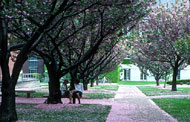 I chose this program because of the amazing professors that conduct their work here. It really is a great and exciting department to be a part of. You get to work hand-in-hand with the leading scholars in the various fields of psychology. You really get the feeling that you are not merely a student, but a colleague and a friend.
 I chose the University of Rochester because of the department's dedication to research. The focus of the department is to train you to engage in high-quality research that will have a significant effect on your field. I study motivation, and there are few other places that offer the same focus and enthusiasm for this topic.
 The department is small, and provides an intimate and comfortable environment in which to pursue one's interests. It has a collegial atmosphere, with students on first name bases with professors, and instead of a competitive feel that might be present in some programs, individuals receive support not only from the faculty, but from the students across all years. I have found that this department is very cohesive.
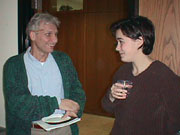 Because the department is fairly small, there is an opportunity to build relationships quickly with the faculty and other grad students. We are a fairly tight-knit group who also enjoy socializing together when time permits. At the same time, we are serious in our academic endeavors and as such, show a great deal of respect for others' time and ideas. Further, as a natural result of the complementary research interests among faculty members, grad students share a lot of similar research interests. For the most part, there is little competition among students and a great deal of information and idea sharing. This often leads to lively debate, which is great for generating research ideas and sharpening intellect. Grad students and faculty have an "open-door" sort of attitude, welcoming others into their offices for assistance and/or feedback as needed. Finally, the administrators in this department are very helpful--always there to guide us through the inevitable red tape involved in filling out the required paperwork to make sure we actually leave here with a degree.
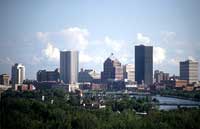 Once you learn the areas of the city to avoid and the ones to visit, it can be a pretty fun place. Although it does snow a lot, the city takes really good care of the roads and I’ve never found the snow to be too much of a problem. Also, the spring and summer here are absolutely beautiful and there are a lot of nice parks to walk around. The year-round farmers market is a nice addition as well—it’s a great place to pick up inexpensive fruit and vegetables.
 ...there are many free concerts and low-priced movies to see, and it is also not as congested as some of the larger cities in which I have lived.
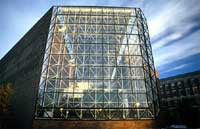 Everyone in the clinical program begins their clinical training in the second year of graduate school with a year of "practicum in psychotherapy". In practicum, students provide psychotherapy through the University Counseling Center and in turn are provided with a great deal of support through individual and group supervision. Following my practicum experience, I worked at Strong Memorial Hospital in both a diagnostic clinic for children with developmental delays and a follow-up clinic for infants who were born prematurely. I have also received training as a group coordinator for a social skills group for teenagers with developmental disabilities. I am now working at Mt. Hope Family Center providing evidence-based therapies, including child-parent psychotherapy and cognitive-behavioral therapy for school age children, and receiving weekly supervision.
 I've had the opportunity to work in a number of different placements. There are opportunities for working with both children as well as adults. There are opportunities for working in counseling centers, hospitals, and not-for-profit service providers. Personally, I have chosen to work with both adults and children, some from underprivileged backgrounds and some from more affluent backgrounds.